How to plan output folders for batch audio conversion
If you are not an audio engineer and just want the file to work on the target device, this guide makes batch audio output folder, organize converted audio a practical format decision.
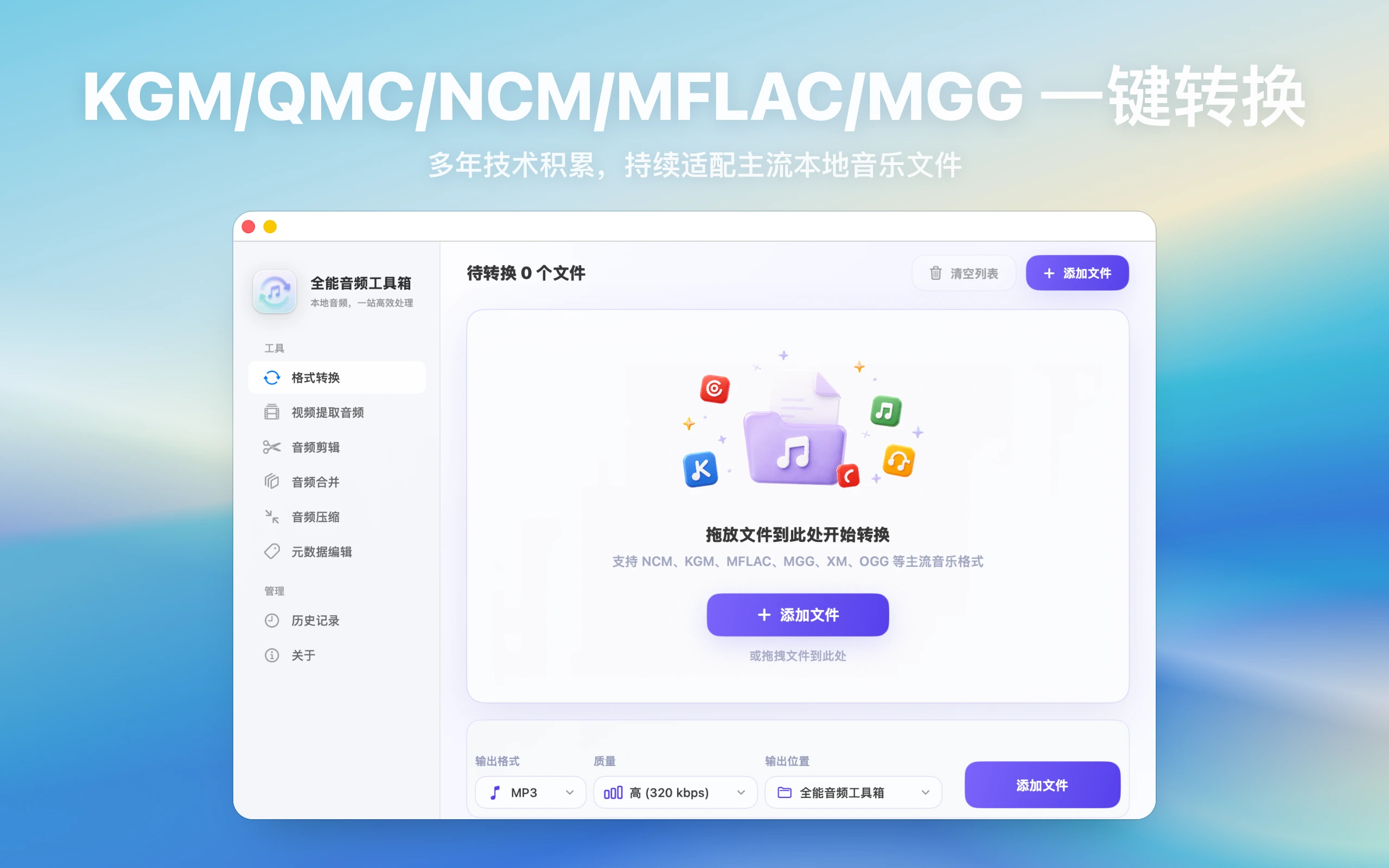
How to plan output folders for batch audio conversion: direct answer
Separating input and output folders by source, format, or project reduces overwrites, duplicates, and review mistakes.
Decision: Keep source, test output, final output, and failed samples separate. Stop and change the path if a batch would write results back into the source folder.
Steps for How to plan output folders for batch audio conversion
- Create a preserved source, a dated format-specific test folder, a final output folder, and a failed-items folder.
- Import one subfolder first and verify hierarchy, same-name handling, tags, and artwork.
- After batching, reconcile file count and duration, spot-check playback, and isolate failures without importing successful output again.
How to verify the result
- Source count and control samples remain unchanged, and final output is not nested inside the input tree.
- Every failure can be traced to its source and reason, with no silent overwrite of same-name tracks.
Limitations and stop conditions
An app cannot decide whether two same-name files are truly duplicates; important libraries still require backups and human review.
A real-world example
For example, the same audio can be MP3 for sharing, FLAC for archiving, WAV for editing, or M4A for Apple-device handoff. Decide the use first and the format choice becomes clearer.
By the end, you should connect format choice to target device, later editing, and file size.
Start by identifying the file workflow
Before handling “batch audio output folder, organize converted audio”, check which app the file came from, what extension it uses, whether it is already saved locally, and where you want to play it afterward. That determines the output format, naming strategy, and troubleshooting path.
Choose format by purpose
MP3 is for general playback and sharing, FLAC for quality archives, M4A for Apple devices and smaller files, and WAV for editing, transcription, and post-production. The target device and next workflow should drive the choice.
Sample before batch export
Run a small sample before converting a whole folder. Check duration, volume, filenames, tags, and playback compatibility, then scale to the full batch.
Quality checks
After conversion, spot-check files from different sources, lengths, and formats. Confirm the result opens, duration is correct, names display normally, and the target device recognizes it.
Common troubleshooting path
If the result is not right, do not expand the batch immediately. Reduce the issue to one file, one clipboard item, one preview target, or one display setup first.
- Read failure: check macOS file permissions, external-drive access, Downloads protection, and source integrity.
- Bad output: test another player or target app, then check format, bitrate, duration, and tags.
- Search misses: adjust filenames, metadata, keywords, or favorite rules instead of relying only on the original title.
- Unclear permission: review the privacy policy and product page for the local boundary.